


How about the most recent book?
I recently acquired a first edition of Alfred Walter Campbell’s (1868-1937) classic 1905 textbook on cerebral cytoarchitectonics, a very rare and historically significant book. Campbell was Australia’s first ever professional neurologist and studied the microscopic architecture of the entire human brain, producing one of the earliest systematic microscopic studies of brain structure and function, pioneering early brain parcellation theory. He also helped to originally map the human dermatomes with Henry Head (1861-1940) in 1900. He is said to have been “arguably the greatest neuroscientist Australia has ever produced".
And your favorite book in your collection?
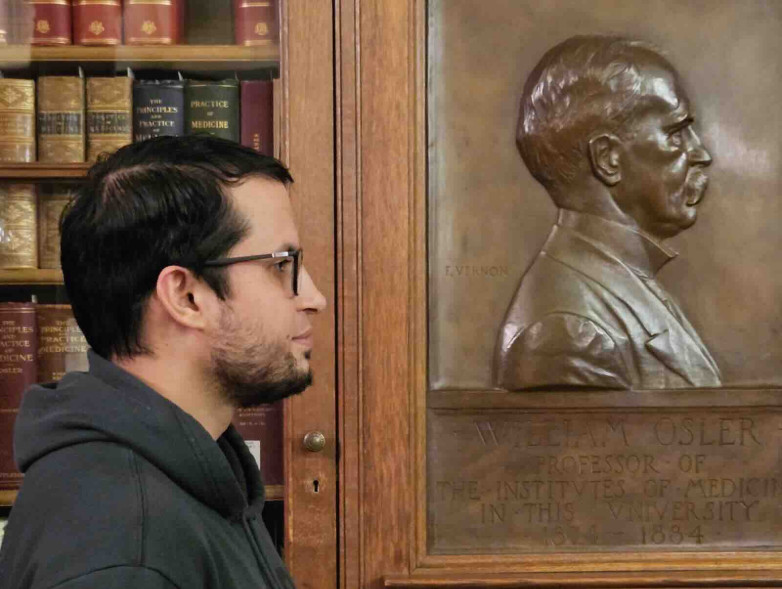
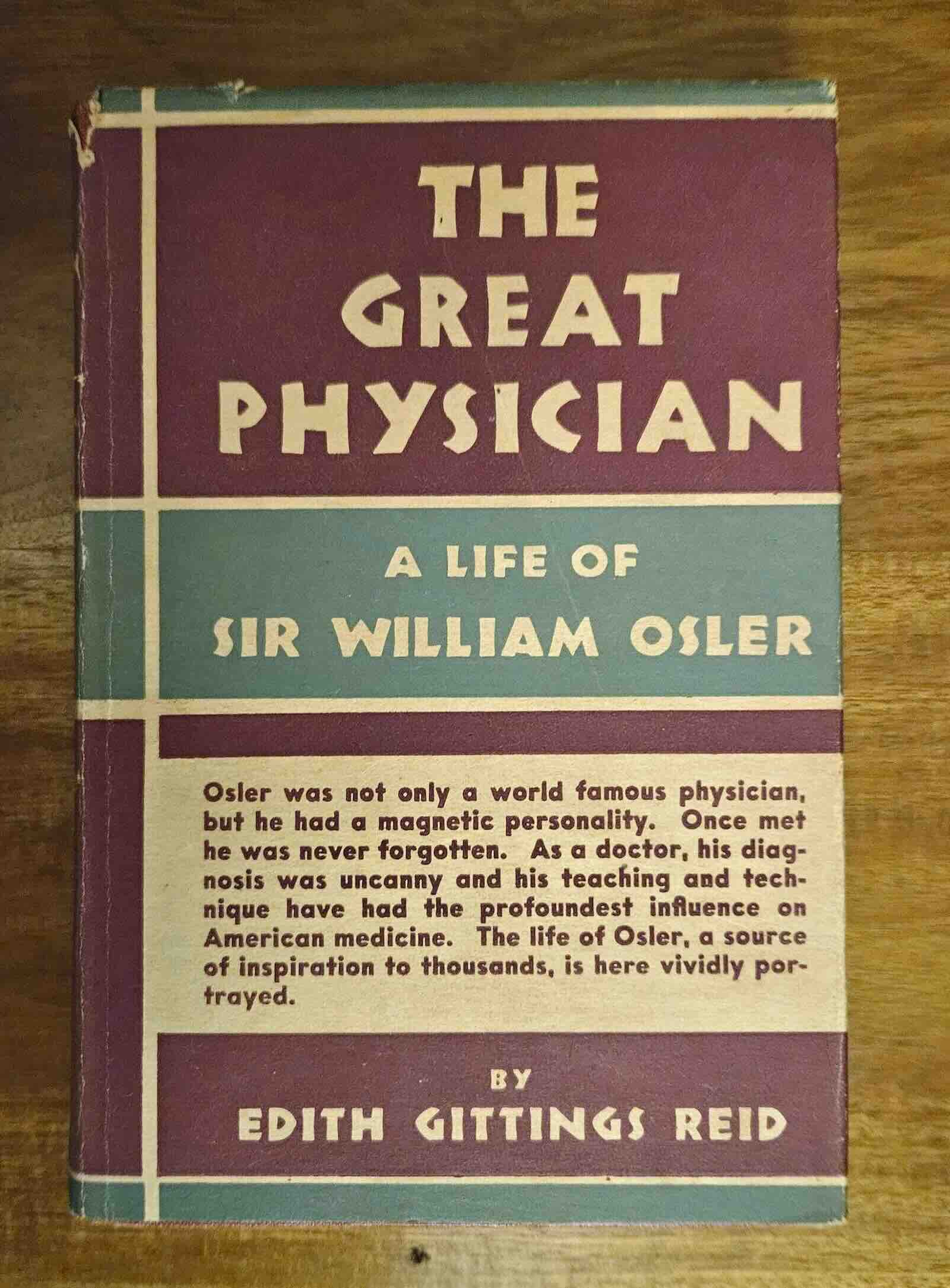
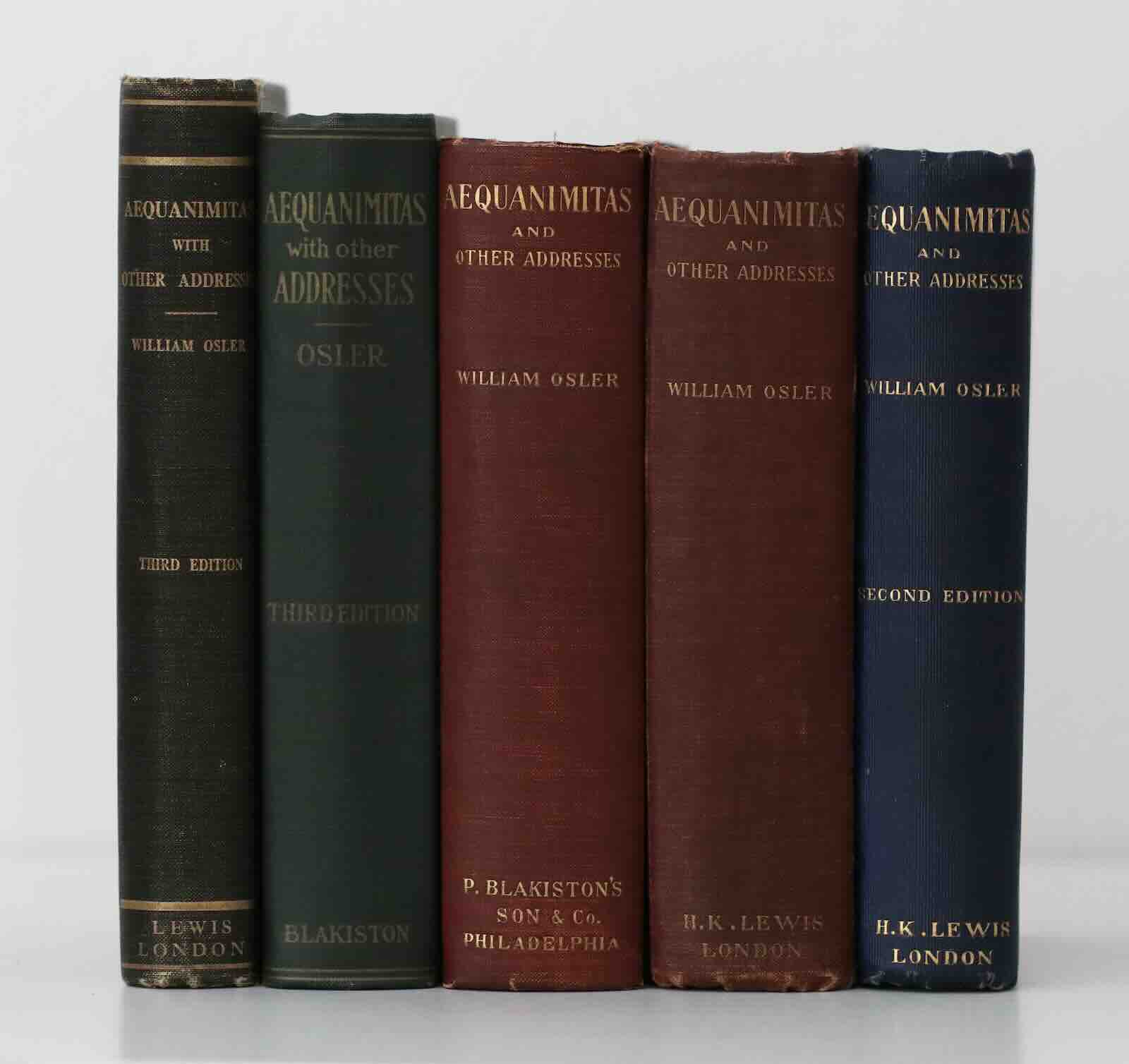
How could I choose a favourite from the children? There are far too many and each are valued for different reasons. Some have exceptional provenance or are presentation copies, others exceedingly scarce or difficult to find. Many are of great sentimental value. Some are too special to speak of publicly! My Osler collection is highly prized, as are a few association copies of medical authors I have researched or written about. Some of the most valued books were given to me for free.
How do you organize your collection?
I collect works by and about prominent historical medical authors, especially those who may have made some vital contribution to the practice of modern medicine or medical science. I usually collect around subjects of topical interest and would frequently purchase new items around specific medical anniversaries. For example, I purchased many books relating to Ibn Sina (c. 980-1037) last year to mark the millennium of the completion of his great medical encyclopaedia, the al-Qānūn fī al-ṭibb (Avicenna’s Canon of Medicine, completed around 1025).
Best bargain you’ve found?
I purchased an early children’s book written by Silas Weir Mitchell (1829-1914) for a very affordable price (< $100). I later saw copies selling for close to $1,000. I’ve also had odd presentation copies later found to come from the library of very significant individuals, for example a book owned by Joseph Lister (1827-1912) and a medical pamphlet by Gordon Holmes (1876-1965).
How about The One that Got Away?
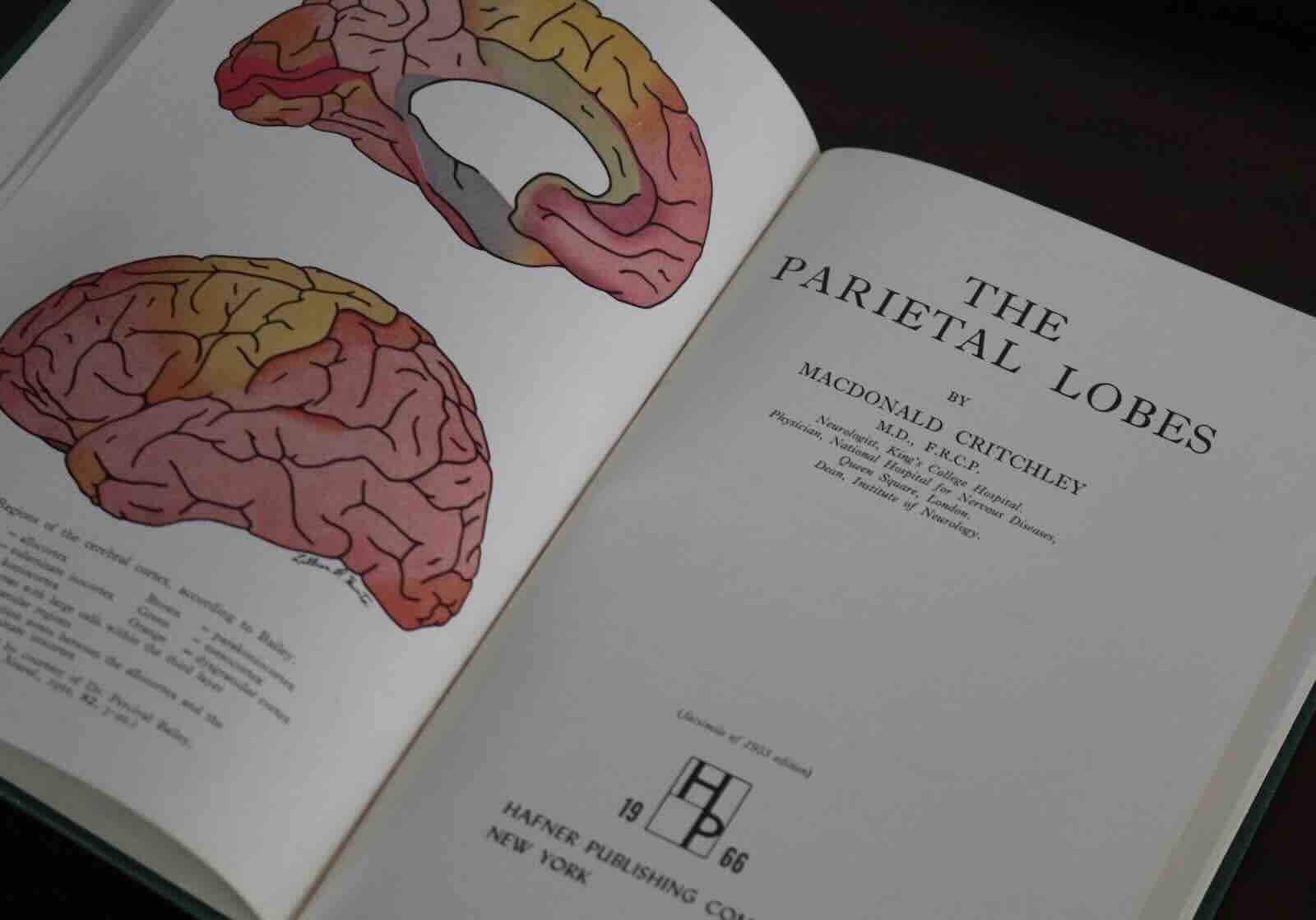
I was given early access to a list of books from MacDonald Critchley’s (1900-1997) library. This was an extraordinary opportunity to purchase original books owned by one of my favourite medical authors. I had to limit my purchases due to cost and missed out on Critchley’s own proof copy of his well-known biography of John Hughlings Jackson (1835-1911). I have forever regretted that decision!
What would be the Holy Grail for your collection?
Probably James Parkinson’s 1817 Essay on the Shaking Palsy, an exceedingly scarce and highly valued contribution which has hardly ever been sold at auction. It is a beautifully written 66-page pamphlet describing cases of what would later be called Parkinson’s disease. James Parkinson was an incredibly decent and upright practitioner who strived to better the plight of common people in Regency England. I have one of his original 1831 books on fossils and every biography that was later written of him.
Where do you most often find books for your collection?
Online auctions, Abebooks, antique bookshops.
What would you collect if you didn’t collect books?
Regrets!